
850-Person Company Offsite, Cancún
A company that doubled mid-planning. 990 people in the system, 848 on property, one resort, five days.
A lot of these people go to a lot of offsites and have been at a lot of tech companies, people who have worked at Google, Microsoft. They said it was one of the best offsites they have been to. The whole execution was incredible.
850-Person Company Offsite, Cancún
A company that doubled mid-planning. 990 people in the system, 848 on property, one resort, five days. Zero chaos.
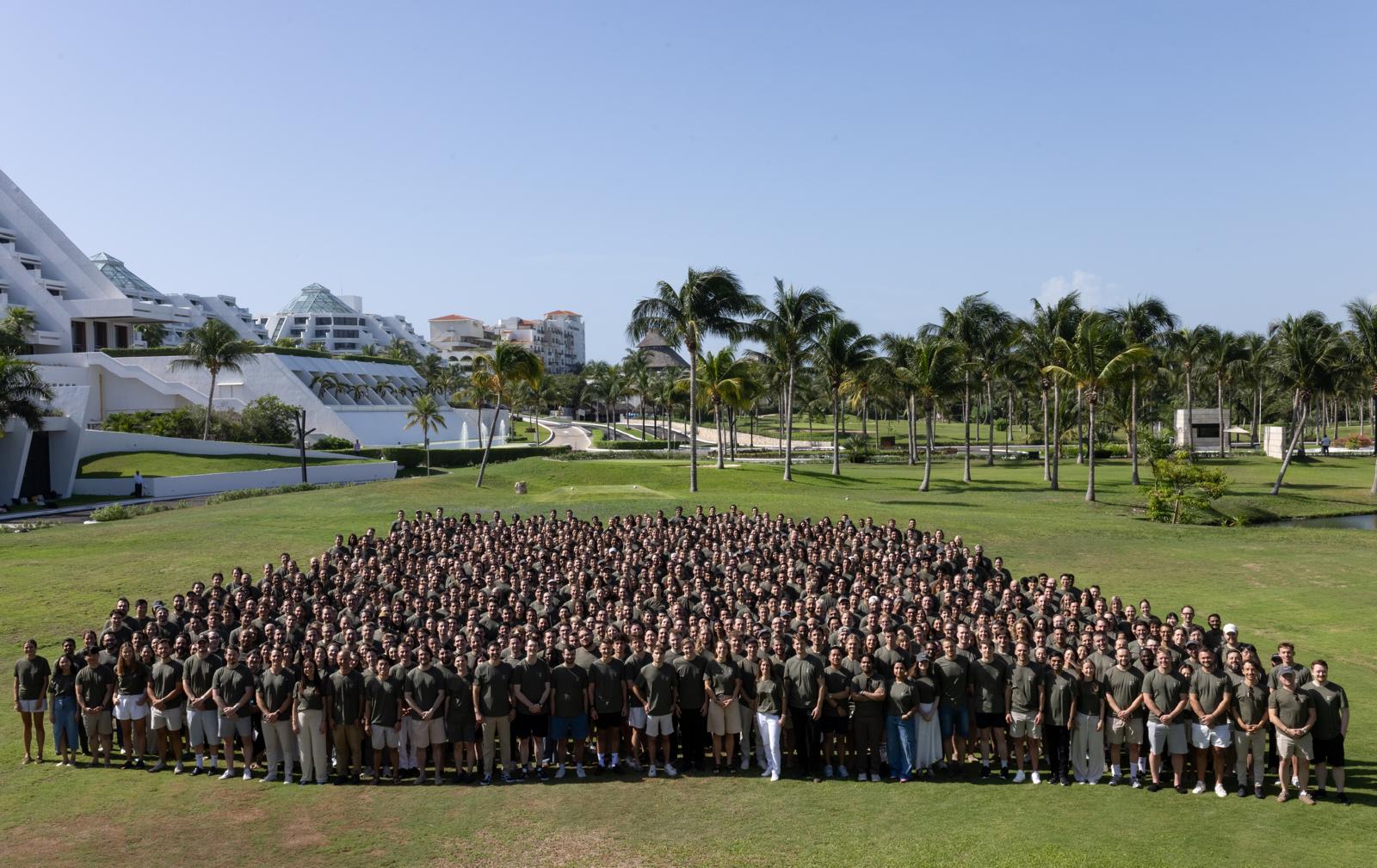
848 attendees on property
5 days
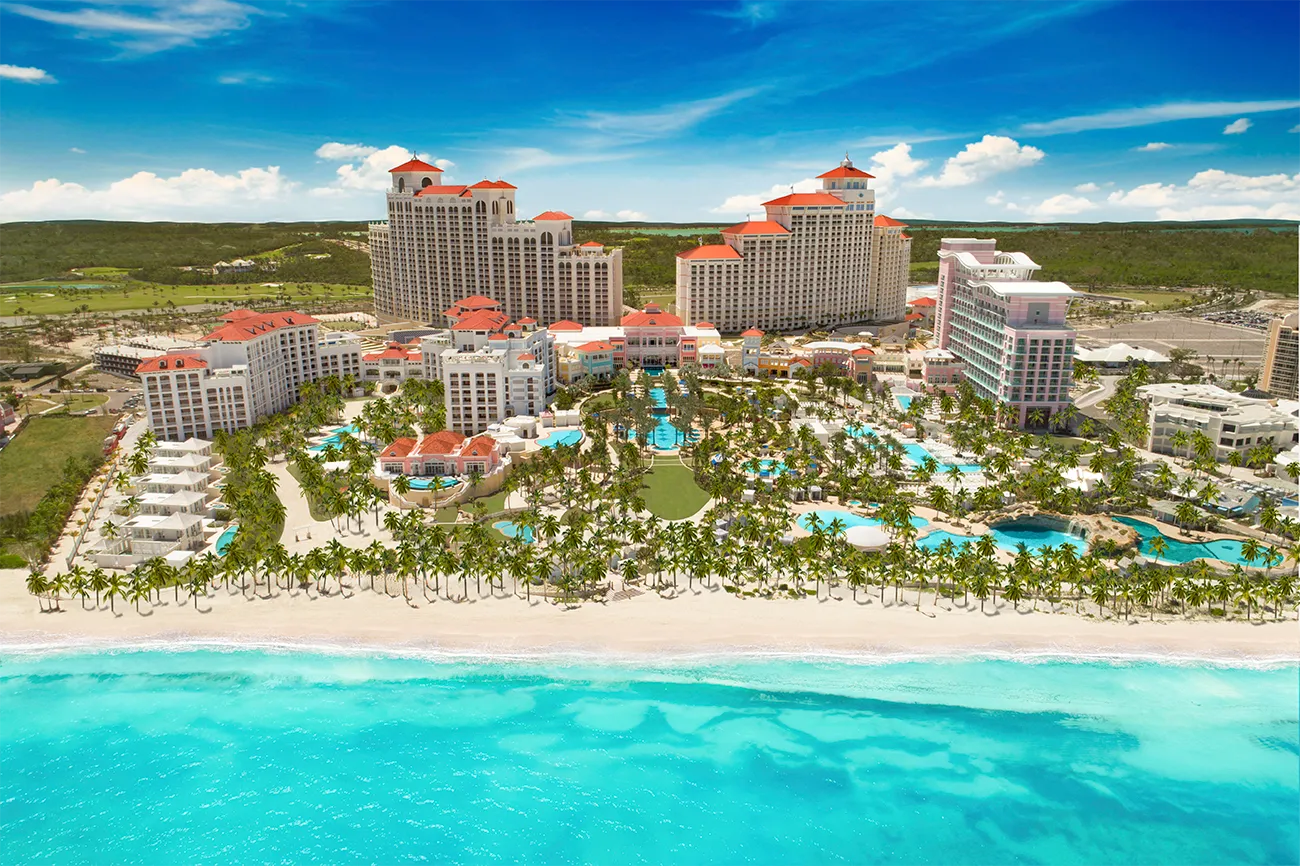
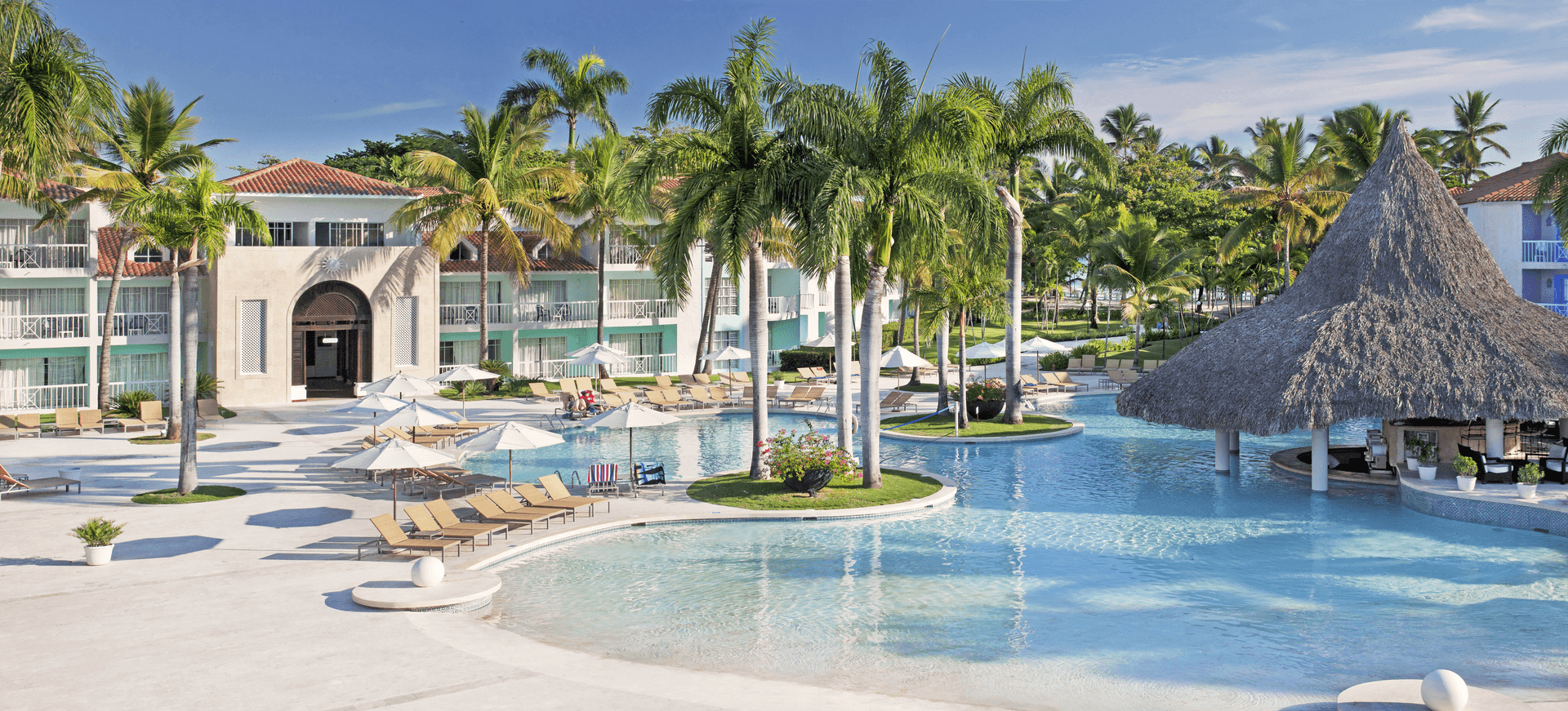
Paradisus Cancún, Mexico
"Execution was 11/10" — their own survey
I am impressed how well executed all the events are, it just shows that the people organizing them are the bar we need to be hiring against.
— ElevenLabs, Engineering & Product
The Brief
ElevenLabs is a remote-first AI company growing faster than its own planning cycle. Their annual company offsite is the one week a year the entire company is in the same place, and the brief was simple to say and hard to do: get everyone to one property, make it feel effortless, and give people real connection, cross-functional problem solving, and clarity on where the company is going.
The complication was headcount. The property was sourced for 600. It went to 700, then to 900, and landed with 848 people checked in and 852 on property at peak. Their previous offsite was 350 people, so this was not an incremental step, it was a different category of event. Growth continued right up to the Friday before departure, which meant rooming, transport, F&B guarantees, conference space and swag all had to stay liquid until the last possible moment.
Two more constraints shaped the work. Security: ElevenLabs runs a strict physical security model, so the entire attendee experience had to sit behind their own identity provider. And bandwidth: the two people leading this internally were running it on top of full-time People Operations roles. They needed a partner who could own the operation, not one who needed managing.
ElevenLabs interviewed several agencies. They picked Nowadays on speed of response and innovative tech that no other agency had.
What We Did
Nowadays served as the end-to-end event operations partner: sourcing, contracting, the attendee platform, registration, rooming, travel data, activity programming, attendee comms, conference space management, vendor coordination, onsite execution, and post-event reconciliation, through our platform paired with an onsite team.
The Attendee Platform
We built the offsite its own site: 18 pages covering Know Before You Go, Property Guide, Agenda, Transfers, Safety & Security, Travel Insurance, Waiver, Activity Sign Up and FAQs, plus a New Joiners section added mid-planning for people starting after the offsite was announced.
The site carried 5 forms, including the main RSVP and a confidential rooming preferences form, and 1,395 form responses synced automatically into the client's own Google Sheets with zero responses left unsynced. Nobody on either team retyped a registration.
Security & Access
Nowadays runs a formal security program: SOC 2 Type II, controls monitored continuously, role-based access with tenant data isolated at the database level, TLS 1.2+ in transit and AES-256 at rest, 18 security policies reviewed annually, third-party penetration testing with findings tracked to closure, and data processing agreements with every subprocessor, including the AI providers we use, who are contractually barred from training on client data.
For the offsite itself we gated the entire attendee experience behind ElevenLabs' own identity provider. Access to the site, every subpage, every form and the agenda was locked to their SSO domain and to invited addresses, so nothing was reachable by link alone, and ElevenLabs kept control of who was on the list.
SSO alone could not cover new joiners. ElevenLabs was hiring through the entire planning window, and a group of people were due to start around or after the offsite with no company email to sign in with. We built a bypass: named individual addresses could be invited and given password-protected access to the same gated site, held apart from the automated send flows so nothing reached them before their start date. A dedicated New Joiners page gave that group its own pre-arrival path, and their onboarding session ran on property on day two, with 40 laptops staged ahead of time.
Registration, Rooming & Travel Data
We tracked 990 people through registration: 861 confirmed, 96 declines, 33 non-responders, resolving duplicate identities as people registered with personal and corporate emails. 856 live hotel bookings across 11 distinct nights fed a live rooming list, with five rooms deliberately held back all week for illness, late medical requests and anything else the week produced. Every one of those spares got used.
Room sharing was the hardest part of the build, because the final number was not known until days out. We ran it off a single confidential form rather than DMs, matched mutual pairings, then kept working it live: as rooms freed up mid-week we moved sharers into solo rooms for the back half of the trip, which turned the week's weakest point into a positive for the people affected.
Flight data was reconciled continuously against the client's travel bookings, anchored on Cancún arrival and departure, with name-based fallback matching where emails did not line up. That data drove shuttle waves, check-in staffing and the departure manifest. When roughly 200 people moved their flights at the last minute, the manifest and transport plan absorbed it.
Activity Programming at Scale
26 activities across 94 time slots, carrying 1,607 live registrations and 2,240 total registration actions once changes and cancellations are counted. Morning fitness waves at 6am and 7am ran Monday to Thursday, alongside community sessions people proposed themselves: a women's happy hour, a games night, a parents meetup, a security capture the flag, a hackathon, a margarita and guacamole class. Friday was full-day excursions: catamaran, Tulum express, jungle tour.
Signups were managed nightly, not weekly. Each evening we pulled the next day's numbers, consolidated thin slots into one location, moved registrants, closed the empty slots and sent every affected person a location-change email with a calendar file, then handed the vendor a clean morning manifest. That nightly loop is why 6am yoga never ran with four people in three locations.
AI Concierge & Slack Support
Attendees had two always-on support channels. The site concierge handled 631 conversations and 2,830 messages. The Slack bot answered 770 messages in the event channel, with humans in the loop on anything it could not close. On top of that, the Nowadays team ran live support in the shared channel from early morning to late night, fast enough that attendees asked whether our lead was a bot.
Comms Engine
3,795 attendee emails across the program: 244 invitations, 2,489 registration confirmations, 434 cancellations, 111 waitlist confirmations with 27 automatic promotions, plus reminders and custom sends, at a 99% delivery rate on everything that left. Alongside that: daily Slack schedule posts, per-activity departure reminders, dinner assignment comms for nine restaurants across two nights, shuttle-wave messages, and 193 run-of-show calendar invites carrying location and schedule links to the right staff, client and vendor people.
Conference Program & Room Tetris
The property has 21 breakout spaces across two levels plus outdoor venues. We held the full inventory and ran the booking. 32 room requests came in during the week of the event alone, and the peak day ran 50 separate sessions. Almost every week-of request was accommodated, and the ones that could not be were turned down fast with an alternative, so leads were never left waiting. The client team had visibility without having to touch it.
We also produced the physical layer: wayfinding maps, directional and event signage, printed cue cards for the founder firesides, badge and lanyard production, the swag desk, and the new-joiner onboarding kit.
On-Site Execution
Check-in was the thing the client was most worried about: 848 people landing in waves into a resort that also had to handle passport copies, hotel check-in, our own check-in and bag tagging. We ran a full dry run the day before with hotel reservations staff, then changed the flow on the spot when we saw the real arrival pattern. It cleared, and it is the single thing their leadership called out as smashed.
From there it was a staffed, minute-level run of show: morning production syncs, room setup checks, AV tech checks for every keynote and fireside, corralling between sessions, branding moves between day and night, nightly wrap meetings, and a help desk open through the day. Over the week we also ran the all-company photo with a drone, an 850-person Mexican Independence Day celebration across the pool decks with six regional food stations, mariachi and two lucha libre rings, a closing night beach party, a movie night, a live band and a DJ.
Vendor & Production Management
Four vendor relationships ran in parallel: the hotel for venue, rooms and F&B; a single DMC covering both ground transport and excursions; and two partners for AV and production. We ran a hotel pre-con covering arrival waves, VIP check-in, operating hours, dietary numbers, check-in flow and help desks, and held a live channel with the hotel for the duration. Bundling transport and activities with one DMC removed an entire coordination seam and is a pattern we would repeat.
Finance & Reconciliation
We closed the books on a program covering hotel, AV, transport, excursions, swag and flights. We compared the AV proposal as first quoted against the final version line by line, flagged a net movement of about $25K, and challenged specific lines: two no-show items still being charged, a transportation math mismatch, a projector lens billed at list instead of net, and a suspect lighting unit price. We reconciled excursion no-shows against vendor manifests to catch double charges where people who missed one tour joined another.
Post-Event Feedback
We generated a post-event survey built on the actual run of show: 34 fields across 6 sections, covering each session, meal, activity and the support experience, so the client had a usable read within days rather than a generic form.
The Results
ElevenLabs' own survey came back overwhelmingly positive, with high scores across the three things the offsite existed to do: valuable use of time, connection to immediate and cross-functional teams, and clarity on company direction and culture.
848 attendees checked in, 852 on property at peak, 3 no-shows
990 people tracked through registration, 856 live room bookings
1,607 activity registrations across 26 activities and 94 time slots
3,795 attendee emails at a 99% delivery rate
631 concierge conversations and 770 Slack bot answers, on top of live human support
50 sessions on the busiest day, with 32 rooms added in the final week
1,395 form responses synced to the client's own sheets, none left unsynced
This was a phenomenal event and execution was 11/10.
— ElevenLabs, Revenue
Best organised company event I have ever been part of.
— ElevenLabs, Finance
A truly remarkable effort by the team who put this together. Every single thing went smooth and to perfection.
— ElevenLabs, Operations
It almost felt like you were an extension of our team. We just knew we could leave you to coordinate with our team rather than us being the middleman.
— Iona Davidson, People Operations, ElevenLabs
The extremely quick support we had in the Slack channel, up to the point where people thought our lead was a bot. That speaks to very low latency, which we love to hear.
— Lilian Niersbach, People Operations, ElevenLabs
The Takeaway
A company that planned for 600, grew to 900, and still checked in 848 people without a queue. Twenty-six activities that rebalanced themselves every night. Fifty sessions in a day across 21 rooms, with a third of the week's requests arriving the week of. Thirty-eight hundred emails, fourteen hundred synced form responses, fourteen hundred bot answers, and an operations team small enough to fit around one table.
That is the case for AI-powered event operations: not instead of a professional events team, but underneath one. The platform carries registration, rooming, activity capacity, comms and the first line of attendee support, so the humans on the ground can spend their attention on the things that actually need a human. The check-in flow you redesign on the spot when you see the real arrival pattern. The sharer you move into a solo room for the last two nights. The invoice line that should have been net instead of list.
That's what Nowadays is built for.